„Tajikistan: Where Majestic Mountains Meet Timeless Traditions”
Introduction
Tajikistan, a landlocked country in Central Asia, is known for its rugged mountains and rich cultural heritage. Bordered by Afghanistan to the south, China to the east, Kyrgyzstan to the north, and Uzbekistan to the west, Tajikistan is the smallest nation in Central Asia by area. The country is predominantly mountainous, with the Pamir range covering much of its territory, earning it the nickname „Roof of the World.” Tajikistan’s history is deeply intertwined with the ancient Silk Road, serving as a crossroads for various cultures and empires. The nation gained independence from the Soviet Union in 1991 and has since been working towards economic development and political stability. Its diverse population is primarily composed of ethnic Tajiks, who speak Tajik, a variety of Persian. The country’s economy is largely based on agriculture, aluminum production, and remittances from Tajik citizens working abroad. Despite facing challenges such as poverty and infrastructure development, Tajikistan’s stunning landscapes and historical sites offer significant potential for tourism.

Festivals And Celebrations In Tajikistan: A Vibrant Experience
Tajikistan, a landlocked country nestled in Central Asia, is a nation rich in cultural heritage and traditions. Its festivals and celebrations offer a vibrant tapestry of experiences that reflect the country’s diverse history and the harmonious blend of its various ethnic groups. These events are not only a testament to the enduring spirit of the Tajik people but also serve as a window into their way of life, offering visitors a unique opportunity to immerse themselves in the local culture.
One of the most significant celebrations in Tajikistan is Navruz, the Persian New Year, which marks the arrival of spring. Celebrated on March 21st, Navruz is a time of renewal and rejuvenation, symbolizing the victory of light over darkness. This ancient festival, which has been observed for over 3,000 years, is a UNESCO-recognized intangible cultural heritage. During Navruz, families come together to clean their homes, prepare traditional dishes, and participate in various cultural activities. The preparation of „sumalak,” a sweet dish made from wheat sprouts, is a communal activity that brings people together, fostering a sense of unity and shared purpose.
Transitioning from the spring festivities, the summer months in Tajikistan are marked by the celebration of the „At Chabysh” festival, a traditional horse racing event. This festival is particularly popular in the mountainous regions of the country, where equestrian skills are highly valued. At Chabysh is not just a sporting event; it is a cultural gathering that showcases the horsemanship and bravery of the participants. The festival is accompanied by music, dance, and feasting, creating an atmosphere of joy and camaraderie.
As the year progresses, the autumn season brings with it the „Mehrgon” festival, an ancient Zoroastrian celebration of harvest and abundance. Mehrgon is a time to give thanks for the bountiful harvest and to honor the deities associated with agriculture and prosperity. During this festival, people dress in colorful traditional attire and gather to enjoy music, dance, and poetry recitals. The celebration of Mehrgon highlights the deep connection between the Tajik people and their land, emphasizing the importance of agriculture in their daily lives.
In addition to these seasonal festivals, Tajikistan also observes several religious celebrations, reflecting the country’s Islamic heritage. Ramadan, the holy month of fasting, is observed with great reverence and devotion. The end of Ramadan is marked by Eid al-Fitr, a joyous occasion that brings families and communities together to share meals and exchange gifts. Similarly, Eid al-Adha, the Festival of Sacrifice, is another important religious event that underscores the values of charity and compassion.
Throughout the year, Tajikistan’s festivals and celebrations offer a glimpse into the rich cultural mosaic of the nation. These events are characterized by their vibrant colors, lively music, and the warm hospitality of the Tajik people. They provide an opportunity for both locals and visitors to connect with the country’s traditions and to experience the unique blend of ancient customs and modern influences that define Tajikistan’s cultural identity. As such, participating in these celebrations is not only an enriching experience but also a chance to appreciate the enduring spirit and resilience of the Tajik people.
The Historical Significance Of The Silk Road In Tajikistan
Tajikistan, a landlocked country in Central Asia, holds a significant place in the annals of history due to its strategic location along the ancient Silk Road. This network of trade routes, which connected the East and West, was instrumental in the exchange of goods, culture, and ideas. The Silk Road’s historical significance in Tajikistan is profound, as it not only facilitated economic prosperity but also fostered cultural and intellectual exchanges that have left an indelible mark on the region.
The Silk Road, which flourished from around the 2nd century BCE to the 14th century CE, was not a single road but a complex network of trade routes that spanned across Asia, the Middle East, and into Europe. Tajikistan’s mountainous terrain and strategic location made it a crucial passageway for traders and travelers. The routes that traversed through Tajikistan connected major cities such as Samarkand and Bukhara, which were vital hubs of commerce and culture. These cities, though now part of modern-day Uzbekistan, were historically linked to the regions within present-day Tajikistan, highlighting the interconnectedness fostered by the Silk Road.
The economic impact of the Silk Road on Tajikistan was substantial. The region became a melting pot of goods, with traders exchanging silk, spices, precious metals, and other commodities. This trade brought wealth and prosperity to the local communities, enabling the development of infrastructure and urban centers. The influx of goods also introduced new agricultural practices and technologies, which were adopted and adapted by the local population, further enhancing the region’s economic stability.
Beyond economic exchanges, the Silk Road was a conduit for cultural and intellectual interactions. As traders and travelers moved along these routes, they brought with them not only goods but also ideas, beliefs, and knowledge. This cultural exchange was particularly evident in the spread of religions such as Buddhism, Zoroastrianism, and later Islam, which found fertile ground in the diverse and multicultural environment of the Silk Road. The remnants of Buddhist monasteries and Zoroastrian fire temples in Tajikistan bear testimony to the religious and cultural diversity that once thrived in the region.
Moreover, the Silk Road facilitated the exchange of scientific and technological knowledge. Scholars and intellectuals traveled along these routes, sharing advancements in fields such as astronomy, mathematics, and medicine. This intellectual exchange contributed to the flourishing of knowledge and learning in the region, influencing local scholars and leaving a lasting legacy on the intellectual landscape of Central Asia.
In addition to its economic and cultural significance, the Silk Road also played a crucial role in shaping the political landscape of Tajikistan. The region’s strategic importance attracted the attention of various empires and dynasties, each seeking to control the lucrative trade routes. This led to a dynamic and often tumultuous history, as different powers vied for dominance over the region. The legacy of these historical interactions is still evident in the diverse cultural and ethnic tapestry of modern-day Tajikistan.
In conclusion, the historical significance of the Silk Road in Tajikistan is multifaceted, encompassing economic prosperity, cultural exchange, intellectual advancement, and political intrigue. The legacy of this ancient trade network continues to influence the region, shaping its cultural identity and historical narrative. As we reflect on the impact of the Silk Road, it is clear that Tajikistan’s role in this historical phenomenon was pivotal, leaving an enduring legacy that continues to resonate in the present day.
Traditional Tajik Cuisine: A Culinary Journey
Tajikistan, a landlocked country nestled in the heart of Central Asia, offers a rich tapestry of cultural and historical influences that are vividly reflected in its traditional cuisine. The culinary landscape of Tajikistan is a delightful amalgamation of flavors and techniques, shaped by the region’s diverse geography and its historical interactions with neighboring cultures. As one embarks on a culinary journey through Tajikistan, it becomes evident that the country’s food is not merely sustenance but a profound expression of its heritage and way of life.
At the heart of Tajik cuisine lies the staple ingredient of bread, known locally as „non.” This round, flatbread is a quintessential part of every meal and is often baked in a traditional clay oven called a „tandoor.” The preparation of non is a communal activity, with families gathering to knead the dough and bake the bread, which is then shared as a symbol of hospitality and unity. The importance of bread in Tajik culture cannot be overstated, as it is considered sacred and is treated with the utmost respect.
Transitioning from bread to the main courses, one encounters „plov,” a dish that holds a special place in the hearts of the Tajik people. Plov, also known as pilaf, is a fragrant rice dish cooked with meat, usually lamb or beef, and an array of spices such as cumin and coriander. The dish is often garnished with carrots, onions, and occasionally dried fruits, which add a subtle sweetness to the savory flavors. Plov is not only a culinary delight but also a dish of great cultural significance, often served during celebrations and communal gatherings.
In addition to plov, „qurutob” is another traditional dish that showcases the ingenuity of Tajik cuisine. Qurutob is a hearty meal made from layers of torn flatbread soaked in a tangy yogurt sauce, topped with sautéed vegetables and sometimes meat. The dish is typically served in a large communal bowl, encouraging diners to share and enjoy the meal together. This practice of communal dining is a reflection of the Tajik emphasis on family and community bonds.
As one delves deeper into the culinary offerings of Tajikistan, the influence of neighboring countries becomes apparent. The use of spices and herbs in Tajik dishes is reminiscent of Persian and Indian cuisines, while the emphasis on meat and dairy products reflects the nomadic traditions of Central Asia. This blend of influences results in a cuisine that is both unique and familiar, offering a taste of the region’s rich history and cultural exchanges.
Furthermore, Tajik cuisine is characterized by its reliance on fresh, locally sourced ingredients. The country’s diverse climate and terrain provide an abundance of fruits, vegetables, and herbs, which are incorporated into dishes to enhance their flavor and nutritional value. Seasonal produce plays a crucial role in determining the menu, with dishes often varying according to the availability of ingredients.
In conclusion, traditional Tajik cuisine is a vibrant and integral part of the country’s cultural identity. It is a cuisine that celebrates the land and its people, offering a glimpse into the traditions and values that have shaped Tajik society over the centuries. Through its diverse and flavorful dishes, Tajik cuisine invites both locals and visitors to partake in a culinary journey that is as enriching as it is delicious.
Trekking Adventures In The Pamir Mountains
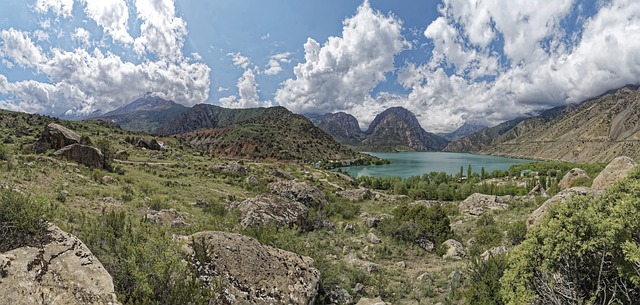
Tajikistan, a land of rugged beauty and rich cultural heritage, offers an unparalleled trekking experience in the Pamir Mountains, often referred to as the „Roof of the World.” This remote and majestic range, part of the greater Himalayas, presents a unique opportunity for adventurers seeking to explore one of the most pristine and less-traveled regions on the planet. The Pamirs, with their towering peaks and expansive valleys, provide a backdrop of breathtaking landscapes that captivate the imagination and challenge the spirit.
As one embarks on a trekking adventure in the Pamir Mountains, the journey begins with an immersion into the diverse and vibrant culture of Tajikistan. The local communities, predominantly of Tajik and Kyrgyz descent, offer a warm welcome to travelers, sharing their traditions and way of life. This cultural exchange enriches the trekking experience, providing insight into the resilience and hospitality of the people who call this rugged terrain home. The traditional yurts and vibrant bazaars encountered along the way serve as a testament to the enduring spirit of the region’s inhabitants.
Transitioning from cultural exploration to the heart of the trekking experience, the Pamir Mountains boast a variety of trails that cater to different levels of expertise. From the relatively accessible routes around the Fann Mountains to the more challenging paths leading to the base of Peak Lenin, trekkers can choose their adventure based on their skills and preferences. Each trail offers its own unique set of challenges and rewards, with panoramic views of snow-capped peaks, crystal-clear alpine lakes, and verdant valleys that stretch as far as the eye can see.
Moreover, the Pamir Highway, one of the highest roads in the world, serves as a vital artery for trekkers navigating this remote region. This historic route, which traverses the mountains from Dushanbe to Osh, provides access to some of the most stunning and isolated areas of the Pamirs. Along the way, travelers can witness the dramatic shifts in landscape, from arid high-altitude deserts to lush river valleys, each offering a distinct perspective on the natural beauty of Tajikistan.
In addition to the physical challenges posed by the terrain, the Pamir Mountains present an opportunity for introspection and personal growth. The isolation and grandeur of the landscape encourage a sense of reflection, allowing trekkers to disconnect from the hustle and bustle of modern life and reconnect with nature. The simplicity of life in the mountains, coupled with the awe-inspiring vistas, fosters a profound appreciation for the natural world and one’s place within it.
Furthermore, the environmental significance of the Pamir Mountains cannot be overstated. This region is home to a diverse array of flora and fauna, some of which are endemic to the area. Conservation efforts are crucial to preserving this delicate ecosystem, and responsible trekking practices are essential to minimizing the impact on the environment. By adhering to sustainable travel principles, trekkers can contribute to the preservation of this unique landscape for future generations to enjoy.
In conclusion, trekking in the Pamir Mountains of Tajikistan offers an extraordinary adventure that combines cultural immersion, physical challenge, and environmental awareness. The majestic beauty of the landscape, coupled with the rich traditions of the local communities, creates an unforgettable experience for those who venture into this remote corner of the world. As more travelers seek authentic and meaningful experiences, the Pamirs stand out as a destination that promises both adventure and enlightenment.
Exploring The Rich Cultural Heritage Of Tajikistan
Tajikistan, a landlocked country nestled in the heart of Central Asia, is a nation rich in cultural heritage and historical significance. This mountainous region, bordered by Afghanistan, China, Kyrgyzstan, and Uzbekistan, offers a unique tapestry of traditions, languages, and customs that have been shaped by centuries of history. As one delves into the cultural heritage of Tajikistan, it becomes evident that the country’s past is intricately woven with the threads of various civilizations and empires that have left an indelible mark on its identity.
To begin with, the history of Tajikistan is deeply rooted in the ancient Persian Empire, which has significantly influenced the cultural and linguistic landscape of the region. The Tajik language, a variant of Persian, serves as a testament to this enduring legacy. Moreover, the region was a crucial part of the Silk Road, the ancient trade route that connected the East and West, facilitating not only the exchange of goods but also the flow of ideas, art, and culture. This historical significance is evident in the architectural marvels and archaeological sites scattered across the country, such as the ancient city of Penjikent, which offers a glimpse into the sophisticated urban life of the Sogdian civilization.
In addition to its historical influences, Tajikistan’s cultural heritage is also characterized by its diverse ethnic composition. The Tajik people, who form the majority of the population, share the country with various ethnic groups, including Uzbeks, Russians, and Kyrgyz, each contributing to the rich cultural mosaic. This diversity is reflected in the country’s vibrant traditions, music, and dance, which are celebrated with great enthusiasm during festivals and communal gatherings. For instance, Navruz, the Persian New Year, is a significant cultural event that marks the arrival of spring and is celebrated with traditional music, dance, and feasting, symbolizing renewal and harmony.
Furthermore, the spiritual dimension of Tajikistan’s cultural heritage cannot be overlooked. Islam, predominantly Sunni, plays a central role in the lives of the Tajik people, influencing their customs, values, and social norms. The country’s mosques and religious sites, such as the Haji Yaqub Mosque in Dushanbe, stand as architectural testaments to the spiritual devotion of its people. However, it is important to note that Tajikistan’s cultural heritage also encompasses pre-Islamic traditions and beliefs, which continue to be observed in various forms, particularly in rural areas.
In exploring the rich cultural heritage of Tajikistan, one must also consider the impact of Soviet rule, which left a complex legacy on the nation’s cultural identity. During the Soviet era, efforts were made to modernize and secularize society, leading to significant changes in education, art, and public life. While this period brought about advancements in infrastructure and literacy, it also posed challenges to the preservation of traditional customs and practices. Today, Tajikistan navigates the delicate balance between embracing modernity and preserving its cultural heritage, striving to maintain its unique identity in a rapidly changing world.
In conclusion, Tajikistan’s cultural heritage is a fascinating blend of ancient traditions, diverse ethnic influences, and historical legacies. As the country continues to evolve, it remains committed to celebrating and preserving its rich cultural tapestry, offering a unique window into the past while embracing the future. Through its vibrant traditions, historical sites, and diverse communities, Tajikistan stands as a testament to the enduring power of culture in shaping the identity of a nation.
Conclusion
Tajikistan, a landlocked country in Central Asia, is characterized by its mountainous terrain, rich cultural heritage, and a history marked by both Soviet influence and ancient Persian roots. Since gaining independence from the Soviet Union in 1991, Tajikistan has faced significant challenges, including political instability, economic struggles, and social issues. Despite these challenges, the country has made strides in infrastructure development and regional cooperation, particularly through initiatives like the Belt and Road Initiative. The economy remains heavily reliant on remittances and agriculture, with efforts underway to diversify and modernize. Tajikistan’s strategic location and abundant natural resources, including water and minerals, offer potential for future growth. However, sustainable development will require addressing governance issues, improving education and healthcare, and fostering economic resilience. As Tajikistan continues to navigate its post-Soviet identity, its path forward will depend on balancing internal reforms with external partnerships.


